Homemade Egg Noodles That Taste Like Home (Just 5 Ingredients)
Homemade Egg Noodles That Taste Like Home (Just 5 Ingredients)
Introduction
There’s something quietly magical about homemade noodles. Not the flashy, restaurant kind with fancy names and impossible plating. I mean the kind your kitchen probably smelled like growing up. Flour on the counter, hands dusted white, and a pot of water slowly coming to a boil while conversation drifted around the room. Homemade egg noodles feel like that. Comforting. Familiar. Reliable.
This is the kind of recipe that doesn’t try to impress anyone, and somehow that’s exactly why it does. Five simple ingredients. No machines required. No complicated techniques. Just a bowl, your hands, and a little patience. These noodles are the definition of old-school cooking. The kind that got passed down because it worked, not because it was trendy.
If you’ve ever had chicken soup that made you feel instantly better, chances are the noodles were doing most of the heavy lifting. Thick, tender, and slightly chewy, homemade egg noodles soak up flavor in a way store-bought versions never quite manage. They turn a basic broth into a meal and a simple dinner into something memorable.
This recipe is perfect for slow weekends, cold evenings, or any time you want to cook something that feels grounding. You don’t need special skills or fancy tools. You just need to show up, roll out some dough, and trust the process. The result is a batch of noodles that taste like effort, care, and home.
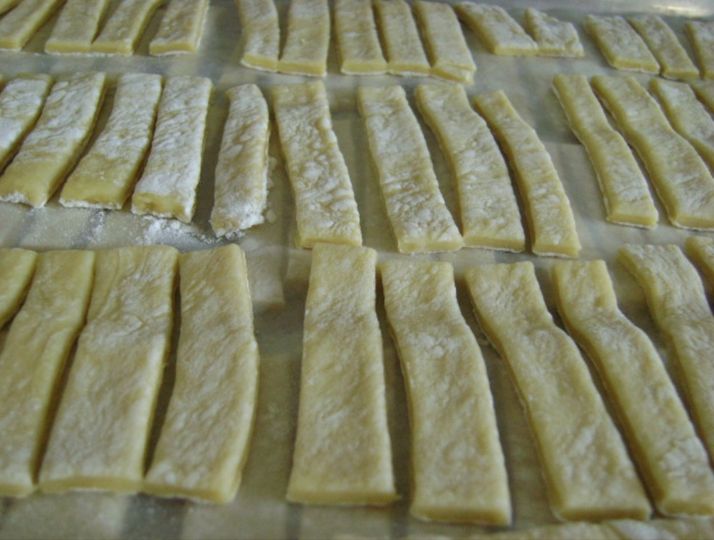
Homemade Egg Noodles – Just 5 Ingredient
Ingredients
1 egg
2 egg yolks
3 Tbsp cold water
1 tsp salt
2 c. flour
Steps:
Beat the eggs until light and fluffy. Add the remaining ingredients. Knead until smooth.
Roll out on a floured surface to about 1/8″ thickness. Cut into strips- I just used a pizza cutter. You can store them in the fridge for 2-3 days or in the freezer for 1-2 months. Cook 7-9 minutes in boiling water. Serve any way you like- but they are fabulous in chicken soup!
Cooking Tips and Simple Substitutions
Homemade noodles are forgiving, which is part of their charm. Still, a few small tips can make the process smoother and the results even better.
When kneading the dough, aim for smooth and elastic. If the dough feels sticky, sprinkle in a little extra flour, but go slowly. Too much flour can make the noodles dense instead of tender. If the dough feels too dry or stiff, a tiny splash of water can help bring it back together.
Rolling the dough evenly is key. A lightly floured surface prevents sticking, and turning the dough occasionally as you roll helps keep the thickness consistent. If the dough springs back, let it rest for 5 to 10 minutes. That short rest relaxes the gluten and makes rolling easier.
As for substitutions, this recipe is beautifully simple, so changes aren’t really necessary. That said, you can substitute part of the all-purpose flour with whole wheat flour for a heartier texture. Just expect a slightly denser noodle with a more rustic bite.
Serving Ideas and When to Enjoy Them
These noodles shine brightest in classic comfort dishes. Chicken soup is the obvious favorite, and for good reason. The noodles absorb the broth, soften perfectly, and make every spoonful feel satisfying.
They’re also excellent tossed with butter, a pinch of salt, and maybe a little black pepper. Sometimes the simplest serving is the best one. Add them to beef stew, turkey soup, or even a creamy sauce for a homemade twist on a weeknight dinner.
Homemade egg noodles are especially nice during colder months, but they’re not limited to winter. They work just as well in lighter broths or simple sauces year-round. Anytime you want food that feels familiar and filling, these noodles fit the moment.
Storage and Freezing Tips
One of the best things about this recipe is how well it stores. Fresh noodles can be kept in the refrigerator for a few days, making them perfect for meal prep. Lightly dust them with flour and store them in an airtight container so they don’t stick together.
For longer storage, freezing is a great option. Arrange the cut noodles in loose bundles, freeze until firm, then transfer them to a freezer-safe bag or container. They’ll keep well for up to a couple of months.
When cooking frozen noodles, there’s no need to thaw them first. Just drop them straight into boiling water and cook as directed, adding a minute or two if needed.
Frequently Asked Questions
Can I make these noodles ahead of time?
Yes. You can prepare them a few days in advance and store them in the refrigerator, or freeze them for longer storage.
Do I need a pasta machine?
Not at all. A rolling pin and a pizza cutter work perfectly and keep the process simple.
Why are my noodles tough?
Too much flour or over-kneading can make the dough stiff. Measure carefully and knead just until smooth.
Can I use these noodles in any soup?
Absolutely. They work well in chicken, beef, vegetable, or even creamy soups.