Peasant Bread: The Best & Easiest Bread You Will Ever Make
Peasant Bread: The Best & Easiest Bread You Will Ever Make
There’s something magical about the smell of fresh bread wafting through your kitchen. It’s one of those little joys that feels timeless, like a warm hug you didn’t even know you needed. Peasant bread has always had that effect on me. It’s simple, rustic, and doesn’t require hours of kneading or complicated techniques. Growing up, I remember watching my grandmother pull a golden loaf out of her oven, and the kitchen would instantly fill with that comforting aroma. It’s the kind of bread that doesn’t just fill your stomach—it fills your heart with nostalgia.
What makes peasant bread truly special is its simplicity. You don’t need fancy ingredients, multiple bowls, or special tools. A few pantry staples, some warm water, and a little patience are all it takes. This bread has that perfect balance of a soft, tender interior with a lightly crisp crust that makes it ideal for everything from a simple buttered slice to a hearty sandwich. The best part? You don’t need to be a professional baker to get it right. Even beginners can achieve bakery-quality results right in their own kitchen.
I love this bread not just for its ease, but for how versatile it is. Whether you’re making it for a casual breakfast, a cozy dinner, or as a thoughtful gift for a friend, it fits every occasion. It’s forgiving, forgivingly easy, and somehow manages to taste like it came from an old-world bakery. There’s no kneading, no complicated shaping, and yet, the results feel like magic. It’s the kind of recipe that reminds you why homemade food feels special—simple, wholesome, and full of love.
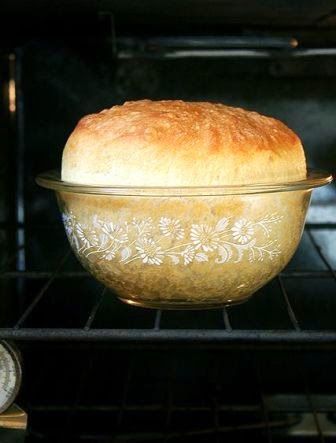
Peasant Bread
Ingredients:
4 cups (500g) all-purpose flour
2 teaspoons salt
2 teaspoons sugar
2 1/4 teaspoons (1 packet) instant yeast
2 cups (475ml) warm water
Instructions:
1️⃣ In a large bowl, mix the flour, salt, sugar, and instant yeast.
2️⃣ Pour in the warm water and stir with a spoon until a shaggy dough forms. No kneading needed!
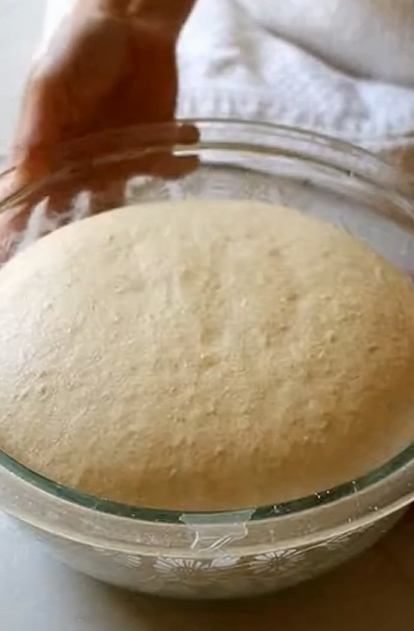
3️⃣ Cover the bowl with a clean towel and let it rise for about 1.5 to 2 hours, or until doubled in size.
4️⃣ Once risen, gently deflate the dough with a spoon and divide it into two buttered or greased bowls (or small baking pans).
5️⃣ Let it rise again for 30-40 minutes. Meanwhile, preheat your oven to 375°F (190°C).
6️⃣ Bake for 30-35 minutes or until golden brown and hollow-sounding when tapped.
7️⃣ Let cool slightly before removing from the pan. Enjoy warm with your favorite spread!
Cooking Tips and Possible Substitutions
-
Flour swaps: While all-purpose flour works beautifully, you can experiment with half whole wheat flour for a nuttier flavor or bread flour for a slightly chewier texture.
-
Yeast tips: Make sure your water is warm but not hot; around 100-110°F (38-43°C) is perfect to activate the yeast without killing it.
-
Optional add-ins: Herbs like rosemary or thyme, seeds, or even a touch of garlic powder can elevate this simple bread into something a bit more special.
Serving Ideas and When to Enjoy It
This bread is incredibly versatile. Slice it warm for breakfast with butter and jam, or toast it for a crunchy sandwich base. It pairs beautifully with soups, stews, and pasta dishes, or even just dipped in olive oil for a rustic snack. Because it’s soft yet sturdy, you can even use it for bruschetta or homemade garlic bread. The golden crust and tender crumb make every bite satisfying, whether you’re serving it at a casual family meal or a cozy gathering with friends.
Storage and Freezing Tips
If you can resist eating it all at once, peasant bread stores well. Keep it in an airtight container at room temperature for up to three days. For longer storage, slice it and freeze it in zip-top bags. To enjoy later, simply thaw at room temperature or warm in the oven for a few minutes to revive that fresh-baked aroma and texture.
FAQ
Q: Can I make this bread without sugar?
A: Yes! The sugar helps feed the yeast and gives a slight sweetness, but omitting it won’t prevent the bread from rising.
Q: Do I really need to preheat the oven?
A: Absolutely. Preheating ensures that the bread starts baking at the correct temperature for a golden crust and fluffy interior.
Q: Can I use this recipe to make just one loaf instead of two?
A: Yes, simply halve the ingredients. Bake in a single loaf pan, and adjust the baking time slightly, keeping an eye on the color and hollow sound.
Q: How can I tell when the bread is fully baked?
A: Tap the top of the loaf—it should sound hollow. You can also check the internal temperature; fully baked bread is around 190°F (88°C).