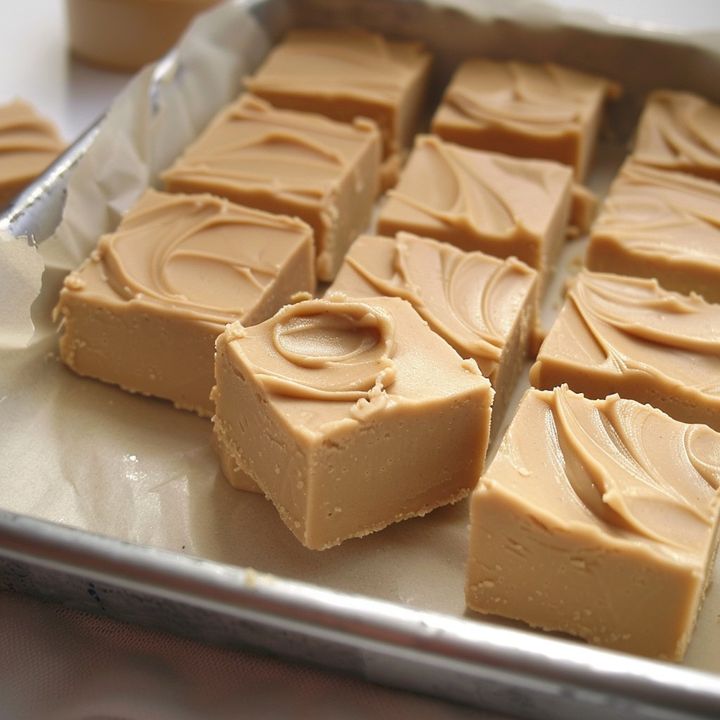
Paw Paw’s Pone Bread: An Old-Fashioned Southern Family Favorite
Paw Paw’s Pone Bread: An Old-Fashioned Southern Family Favorite
Introduction
Some recipes aren’t found in fancy cookbooks or restaurant menus. They live in family kitchens, passed down through stories, memories, and generations of home cooks who knew how to turn simple ingredients into something special. Paw Paw’s Pone Bread is exactly that kind of recipe.
This humble Southern bread carries the kind of charm that modern recipes often miss. It comes from a time when nothing was wasted and leftover biscuit or dumpling dough was transformed into a delicious side dish that could feed the whole family. Many grandparents and great-grandparents mastered the art of creating hearty, comforting meals from whatever ingredients they had on hand, and this recipe is a wonderful example of that resourcefulness.
The beauty of pone bread lies in its simplicity. A few pantry staples come together to create a golden, rustic bread with a tender interior and a lightly crisp exterior. Baked in a well-seasoned cast iron skillet or flat baking pan, it develops a rich flavor that pairs perfectly with everything from beans and greens to soups and stews.
For many families, recipes like this evoke memories of gathering around the dinner table, where homemade bread was served warm and everyone reached for a second piece before the first was gone. Whether you’re continuing a family tradition or discovering pone bread for the first time, this recipe offers a taste of old-fashioned Southern comfort that’s as satisfying today as it was decades ago.
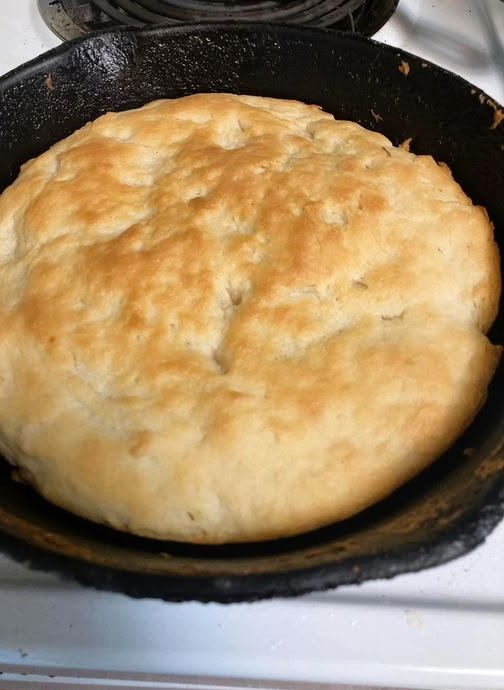
Paw Paw’s Pone Bread
Yields:
1 Pone Bread
Prep time:
5 minutes
Cook time:
20-25 minutes
Ingredients:
• 2 cups Self-Rising Flour (like Martha White’s)
• * 1 tablespoon Wesson Oil (or other vegetable oil)
• * ¾ to 1 cup Buttermilk (you want a wet dough, so start with ¾ and add more if needed)
• * Softened Butter or Bacon Grease, for greasing the pan
• * Melted Butter, for brushing on top
Instructions:
- Preheat the oven: Set your oven to 350°F (175°C).
- Mix the dough: In a medium bowl, mix the self-rising flour and Wesson oil. Gradually add the buttermilk, stirring until you have a wet dough consistency. It should be the same mixture you would use for biscuits or dumplings. Add a little more flour if it’s too wet, or a little more milk if it’s too dry.
- Prepare the pan: Generously grease a cast iron skillet or a flat baking pan with softened butter or bacon grease.
- Shape the bread: Turn the dough out onto the greased pan. Using your hands, pat the dough out into a flat circle, about ½ inch thick.
- Brush with butter: Brush the top of the dough with melted butter.
- Bake: Bake in the preheated oven for 20-25 minutes, or until the pone bread is golden brown and cooked through.
- Serve: Let it cool slightly before cutting and serving. Enjoy!
What Makes Pone Bread Special?
Pone bread has long been a staple in many Southern homes. Unlike traditional sandwich bread or dinner rolls, pone bread is rustic, simple, and deeply rooted in home cooking traditions. It was often made when families needed a quick bread to accompany a meal without spending hours in the kitchen.
Its appeal comes from its versatility. The bread can be served alongside hearty comfort foods, used to soak up gravies and broths, or enjoyed simply with a little butter. The crisp edges and tender center create a texture that’s difficult to resist.
Many Southern cooks have their own variations, but the heart of the recipe remains the same: simple ingredients, practical preparation, and delicious results.
Helpful Tips for Success
One of the keys to great pone bread is achieving the proper dough consistency. The dough should be wet enough to spread easily but not so loose that it runs across the pan.
If you’re using a cast iron skillet, allow it to heat slightly before adding the dough. This can help create an even crispier crust.
Bacon grease adds a wonderful depth of flavor and helps create a beautifully golden bottom crust. If you have some available, it’s worth trying at least once.
Brushing the top with melted butter before baking gives the bread a rich finish and helps encourage even browning.
Because oven temperatures vary, begin checking the bread around the 20-minute mark to ensure it doesn’t overbake.
Serving Ideas
Paw Paw’s Pone Bread is incredibly versatile and complements a wide variety of meals.
Serve it with:
- Pinto beans
- Collard greens
- Vegetable soup
- Chicken and dumplings
- Beef stew
- Chili
- Fried chicken
- Country ham
It’s also delicious warm from the oven with a little butter, honey, or homemade jam.
For breakfast, try serving slices alongside eggs and bacon for a hearty Southern-inspired meal.
Storage Tips
Store leftover pone bread in an airtight container or wrapped tightly in plastic wrap.
It will keep at room temperature for up to two days and in the refrigerator for up to five days.
To reheat, place slices in a warm oven for a few minutes or toast lightly to restore some of the original texture.
Freezing Instructions
Pone bread freezes well, making it a convenient make-ahead option.
Allow the bread to cool completely before wrapping it tightly in plastic wrap and placing it in a freezer-safe bag or container.
Freeze for up to three months.
When ready to enjoy, thaw at room temperature and warm in the oven before serving.
Frequently Asked Questions
What is pone bread?
Pone bread is a traditional Southern quick bread that is often made from biscuit-style dough and baked into a flat round loaf.
Can I use regular milk instead of buttermilk?
Yes, although buttermilk provides a richer flavor and more tender texture. If using regular milk, the finished bread may taste slightly different.
Why is a cast iron skillet recommended?
A cast iron skillet helps create a crisp, golden crust and distributes heat evenly throughout the baking process.
Can I make this bread ahead of time?
Absolutely. It can be baked in advance and reheated before serving, making it a great addition to family meals and gatherings.
Why This Recipe Belongs in Every Family Collection
Paw Paw’s Pone Bread is more than just a bread recipe. It’s a reminder of simpler times when home cooking was built around practicality, tradition, and sharing meals with loved ones. With its rustic texture, comforting flavor, and easy preparation, it’s the kind of recipe that deserves to be preserved and passed down for generations.
Whether served alongside a hearty dinner or enjoyed on its own with a little butter, this old-fashioned Southern favorite proves that some of the best recipes are often the simplest.